AIBioresonance Neurology Services We Offer
Neurology & Psychologica
Bioresonance therapy offers a promising approach to assist patients with neurological and psychological disorders by stimulating neuroplasticity and promoting the regeneration of brain functions. By identifying and correcting disrupted frequency patterns in the brain, this therapy can enhance cognitive abilities, such as memory and concentration
Neurology & Bioresonance
Patients with neurological damage to the brain often experience physical and cognitive impairments, leading to a decreased quality of life and slow recovery. Bioresonance therapy can enhance brain regeneration by stimulating neuroplasticity, improving cognitive functions, and alleviating chronic pain, making it an effective complement to traditional rehabilitation.

Stimulation of Neuroplasticity and Improvement of Cognitive Functions
1. Influencing brain waves and neuronal oscillations stimulates neuroplasticity, enhancing brain regeneration. 2. Balancing brain activity can lead to improvements in cognitive functions such as memory, concentration, and language skills.
Physical Rehabilitation and Emotional Stabilization
1. The impact on brain waves supports the control of movements and reflexes, improving the outcomes of physical rehabilitation.
2. Harmonizing nerve oscillations helps reduce chronic pain and improve emotional stability, alleviating symptoms of depression and anxiety.
Frequently Asked Questions
Current challenges in neurology
Patients with neurological damage to the brain, such as after a stroke, brain injury or brain surgery, often suffer from a wide range of physical and cognitive impairments. These can include movement disorders, speech problems, memory loss, paralysis, chronic pain, lack of concentration or mental health problems such as depression and anxiety.
Also a big problem today is the problems working people have with the onset of depression, burnout and other psychological disorders in the workplace.
Traditional rehabilitation often focuses on physical therapy, occupational therapy, speech therapy and medication to restore damaged brain function. However, in many cases, recovery remains slow and brain regeneration is often incomplete because the nervous system’s natural healing process is limited. Many patients experience permanent limitations and reduced quality of life.
The Problem The treatment of neurological brain damage involves stimulating the brain’s ability to regenerate and neuroplasticity, that is, the brain’s ability to form new neural connections and compensate for lost function. While conventional forms of therapy offer support, they are often not effective enough to fully restore cognitive and motor skills. Another problem is that many patients suffer from invisible symptoms such as fatigue, concentration problems, emotional instability or chronic pain, which are often insufficiently addressed by classical rehabilitation.
Our unique offer
Potential benefits of bioresonance analysis and bioresonance therapy Bioresonance therapy is based on the assumption that the human body produces electromagnetic vibrations that can be disturbed by external influences. In the case of patients with neurological brain damage, brain activity, especially in brain waves, can be affected by such damage, resulting in dysregulation of the neural network and functional impairment. Bioresonance analysis can be used to identify disturbed frequency patterns in the brain, while bioresonance therapy aims to correct these dysregulations by sending harmonic vibrations back to the nervous system.
Our bioresonance therapy can have
the following positive effects:
– Stimulation of neuroplasticity: by targeting brain waves and neuronal vibrations, neuroplasticity can be stimulated, which improves the brain’s ability to regenerate.
– Improved cognitive function. By bringing brain activity into balance, cognitive functions such as memory, concentration and language skills can be improved.
– Promote motor rehabilitation: influencing brainwaves can help control motor movements and reflexes, which can lead to better physical rehabilitation.
– Pain relief and emotional stabilization. By harmonizing nerve vibrations, chronic pain can be reduced and emotional stability can be improved, which can lead to a reduction in depression and anxiety.
– Long-term support for brain regeneration. Regular bioresonance treatment can promote more sustainable regeneration of the nervous system in the long term and reduce the risk of relapses or secondary complications in conjunction with other therapeutic and medical treatments and prescribing physicians and physiotherapists.
– Preparation for treatment: The patient is placed on a comfortable chair or couch.
State-of-the-art bioresonance local devices use non-contact technology to transmit waves and radiation of special bioresonance frequencies individualized for each patient according to their diagnoses.
Â
Electrodes or sensors are attached to the head or to specific parts of the body to enable the transmission of therapeutic frequencies.g
– Therapeutic Frequency Stimulation: a bioresonance device emits targeted electromagnetic vibrations to harmonize neuronal frequencies and stimulate brainwave activity. These frequencies are individually tuned to the results of the previous analysis and are aimed at regulating brain activity and promoting nerve cell regeneration.
– Treatment duration and frequency: Each session typically lasts between 30 and 60 minutes, depending on the patient’s needs and the intensity of the treatment. Treatments last several weeks, usually 2-3 5-6 sessions per week . The therapy cycle can be adjusted depending on the patient’s progress.
. Integration with traditional rehabilitation
– Combination with other treatments: Bioresonance therapy is used in combination with traditional rehabilitation measures such as physical therapy, occupational therapy, speech therapy or psychological support. While bioresonance strengthens the neurophysiological foundations, other forms of therapy help to practically implement and train the skills learned.
– Neural exercises and biofeedback: in addition to passive bioresonance stimulation, active neural exercises can also be incorporated into therapy. Using biofeedback systems, patients can receive visual or auditory information about their brain activity and work to improve their cognitive or motor functions. This helps to make the therapy even more effective.
– Regular success checks: the patient’s progress is assessed after each week of treatment. This is done both through a new bioresonance analysis to determine if brainwave patterns have changed and through clinical assessment of symptoms (e.g., improvement in mobility, speech, or pain symptoms).
– Treatment Plan Adjustment: Depending on the patient’s progress, the treatment plan may be adjusted. If necessary, new frequency programs are used or treatment is intensified to achieve better results.
– Long-term monitoring: Even after the initial rehabilitation phase is complete, the patient can come in for regular Bioresonance sessions to ensure the long-term success of the therapy and avoid relapses.
– Psychological Support: Therapy can be supplemented with psychological support to provide emotional stability to the patient, as neurological damage often leads to depression or anxiety. Bioresonance therapy can also be used specifically to dissolve emotional blockages and reduce stress.
– Stress reduction through bioresonance. In addition to neurological stimulation, specific frequencies can be used to reduce a patient’s overall stress levels and calm the autonomic nervous system. This can have a positive effect on the healing process and increase resistance to further stress.
– Evaluation of results: At the end of the therapy cycle, a comprehensive final evaluation is carried out. This looks at progress in physical and cognitive rehabilitation as well as improvement in brainwave patterns.
– Follow-up plan: after the active therapy phase, a follow-up plan can be drawn up, which includes regular brainwave pattern checks and refresher sessions. This is done to ensure that the patient remains stable in the long term and does not suffer from any setbacks.
– Painless and non-invasive: Bioresonance therapy is completely painless and does not require any invasive procedures. This makes them particularly suitable for patients who already have serious health problems.
– Personalized treatment: because the frequencies are tuned individually, the therapy can precisely address a patient’s specific neurological problems.
– Holistic approach: In addition to physical and cognitive regeneration, bioresonance can also promote emotional well-being, which supports the healing process.
AI Bioresonans Services We Offer
Consectetur adipiscing elit,sed do eiusmod temporincididunt ut labore et dolore
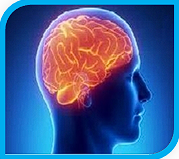
Central and peripheral nervous systems
migraine, neuralgia, neuroses, osteochondrosis, vegetovascular
dystonia and others.
Sessions: 1 to 15
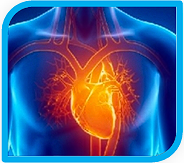
Blood system
cerebral vascular diseases, cerebral strokes, hypertension, reflex angina pectoris, ischaemic disease.
heart disease, myocardial infarction.
Sessions: from 10
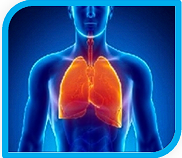
Breathing system
chronic bronchitis, pneumonia, bronchial
asthma, tracheitis and others.
Sessions: 6 to 10
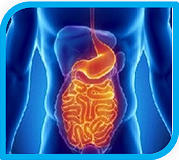
Gastrointestinal organs
gastric ulcer and duodenum, chronic gastritis, functional disorders of the
stomach and intestines, chronic cholecystitis, pancreatitis.
Sessions: 8 to 10
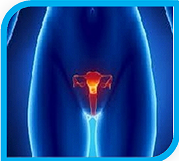
Urogenital system
prostatitis, urethritis, sexual disorders, inflammatory diseases of the female genitalia genital organs, infertility, mastitis, hypo- and hyperlactation.
Sessions: 2 to 10
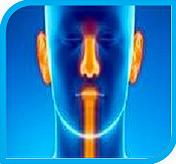
ENT-Organs
tonsilitis, sore throats, rhinitis, maxillary sinusitis, acute and chronic laryngitis, pharyngitis, acute and chronic laryngitis, otosclerosis.
Sessions: 2 to 10
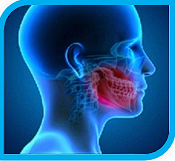
Stomatology
paradontosis, recurrent.
herpetic stomatitis, periodontitis, alveolitis, pulpitis, gingivitis,
facial abscess and phlegmon and others.
Sessions: 2 to 10
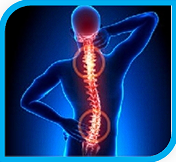
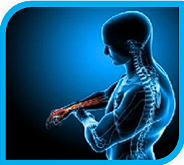
Musculoskeletal system
rheumatoid arthritis, deforming
osteoarthritis and others.
Sessions: 1 to 10
Surgical pathologies
trophic ulcers and long-lasting ulcers non-healing wounds, burns, bone fractures, obliterating endarteritis and atherosclerosis, diabetic, thrombophlebitis.
Sessions: 1 to 15
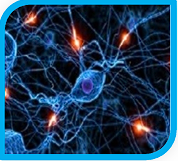
Addictions
alcoholism, tobacco smoking, drug addiction.
Sessions: from 10
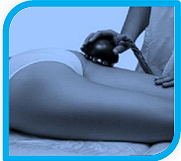
Dermatology
eczema, neurodermatitis, urticaria,
common acne, psoriasis, alopecia, vitiligo, herpes
simplex and recurrent herpes, furunculosis.
Sessions: 1 to 10
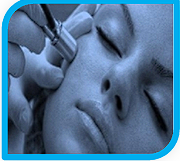
Cosmetology
face, neck (laser facelift), scalp, cellulite,
f
igure correction at the
localised deposition of fatty tissue.
Sessions: from 1
If you need urgent care, simply call our 24 hour emergency hotline.
Your personal case manager will ensure that you receive the best possible care.
Call Now (toll free)
+33 654 8745


We believe in affordable specialty healthcare for all.
Consectetur adipiscing elit, sed do eiusmod tempor incididunt ut labore et dolore.